Thread Lift vs Fillers in Goa: Which Non-Surgical Option Fits Your Concern?
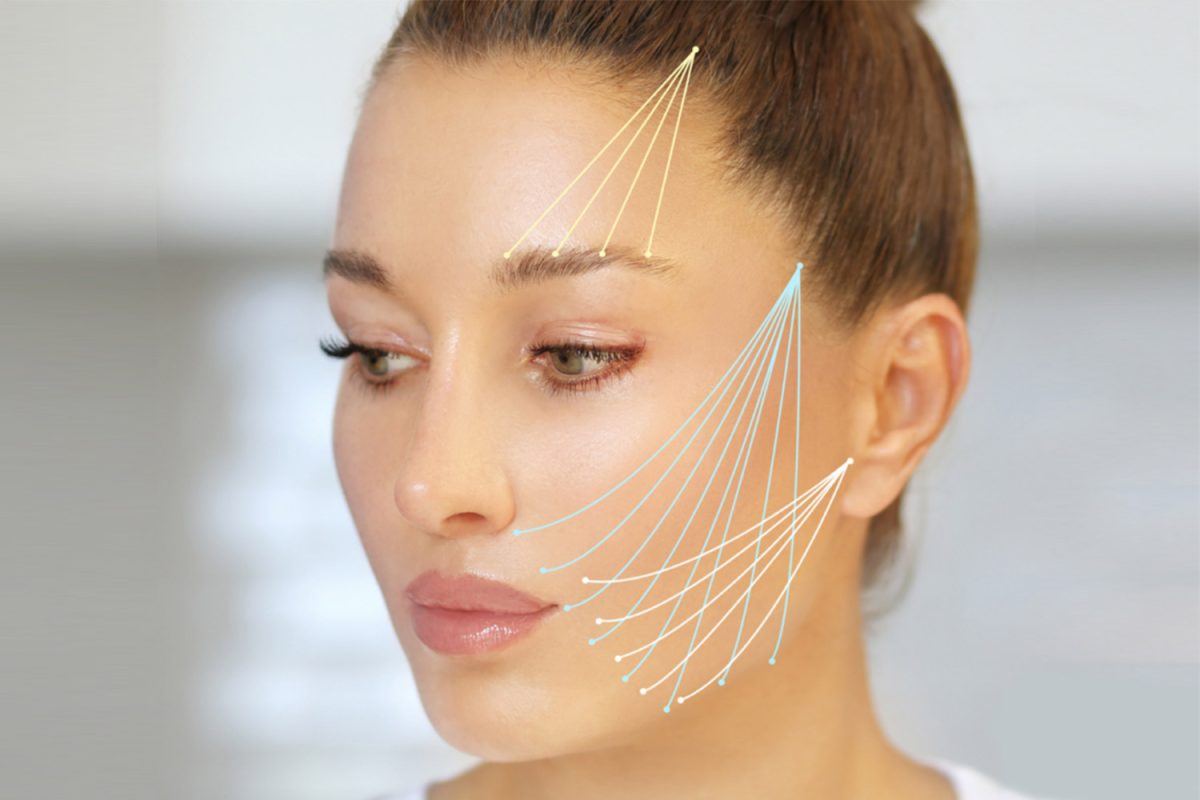
Table of Contents
- Thread Lift vs Fillers: The Simple Difference
- What Is a Thread Lift Used For?
- What Do Facial Fillers Treat?
- How to Know Which Treatment Fits Your Concern
- Downtime, Results and How Long They Last
- Why Consultation Matters Before Choosing
- Frequently Asked Questions
Key Takeaways
- Thread lifts and fillers are both non-surgical aesthetic treatments, but they do different things.
- A thread lift is usually considered when the main concern is mild to moderate sagging or skin laxity.
- Fillers are usually considered when the main concern is lost volume, hollowness or facial contour support.
- Some patients may need one treatment, while others may need a combination approach.
- The right choice depends on facial anatomy, skin quality, age, medical history and treatment goals.
- At Myra Aesthetic in Panjim, the decision begins with assessment, not with choosing a treatment name.
Thread Lift vs Fillers: The Simple Difference
Thread lifts and fillers are often spoken about together because both are non-surgical aesthetic treatments. But they are not interchangeable.
A thread lift is mainly used to lift and support skin that has started to sag. Fillers are mainly used to restore lost volume, soften folds and improve facial contours. One works by repositioning tissue. The other works by adding support or fullness where volume has reduced.
That difference matters.
If the concern is a softer jawline, early jowls, mild facial drooping or loose skin, a thread lift may be more relevant. If the concern is hollow cheeks, under-eye shadows, deeper folds, thinning lips or loss of facial fullness, fillers may be more suitable.
At Myra Aesthetic, we do not treat “anti-aging” as one broad category. We first look at what has actually changed in the face. Is the skin moving downward? Has volume reduced? Is there laxity? Is the concern structural, textural or both?
That assessment decides whether thread lifts in Goa, facial fillers in Goa or a combination approach may be discussed.
What Is a Thread Lift Used For?
A thread lift is a non-surgical procedure used to lift and tighten mild to moderate sagging skin.
During the procedure, dissolvable threads made from biocompatible materials such as PDO or PLA are inserted under the skin using fine needles. These threads help anchor and reposition the skin. As they dissolve over time, they may also stimulate collagen production, which can support gradual improvement in firmness and skin texture.
A thread lift is usually considered when the issue is laxity. This may include softening along the jawline, early jowls, mild drooping around the cheeks or loss of definition caused by tissue descent.
It is not the same as adding volume. It also does not replace a surgical facelift. A thread lift is better understood as a subtle, non-surgical lifting option for selected patients who are not ready for surgery or do not need a surgical-level correction.
For patients searching for a non-surgical facelift in Goa, this distinction is important. A thread lift may be one possible non-surgical option, but suitability depends on the degree of sagging, skin thickness, expectations and overall facial structure.
What Do Facial Fillers Treat?
Facial fillers are injectable treatments used to restore volume, soften lines and support facial contours.
They may be discussed for areas such as the cheeks, under-eye hollows, nasolabial folds, marionette lines, lips, chin or jawline, depending on the patient’s concern. Many fillers are made with hyaluronic acid, while other filler types may work differently depending on the treatment plan.
Fillers are usually more relevant when the face looks hollow, tired or less supported because volume has reduced. This can happen with age, weight changes, genetics, lifestyle or natural changes in bone, fat and soft tissue support.
The aim should not be to overfill the face. The better goal is balance.
At Myra Aesthetic, facial fillers in Goa are approached with a focus on facial proportion, natural-looking correction and careful product placement. The treatment should support what already belongs to the face, not make the person look unlike themselves.
For patients searching for dermal fillers in Panjim, the most important question is not “How much filler do I need?” It is “What is causing the concern I see in the mirror?”
How to Know Which Treatment Fits Your Concern
The simplest way to begin is to identify whether your concern is about downward movement or lost fullness.
If the skin looks like it has started to move downwards, especially around the jawline, cheeks or lower face, a thread lift may be discussed. If the face looks hollow, flat or tired in specific areas, fillers may be more relevant.
But the mirror can be misleading.
What looks like sagging may sometimes be volume loss. What looks like heaviness may sometimes need support, not filling. Some patients may benefit from fillers first because restoring structure improves the way the face holds itself. Others may need lifting before volume correction is considered.
This is why choosing between a skin tightening treatment in Goa and a volume-restoring treatment should not be done through online comparison alone.
A proper consultation looks at facial anatomy, skin laxity, skin thickness, bone structure, facial proportions, previous treatments, medical history and the patient’s comfort with downtime and maintenance.
The right answer is not always thread lift or filler.
Sometimes it is thread lift. Sometimes it is filler. Sometimes it is neither. Sometimes it is a staged plan.
Downtime, Results and How Long They Last
Both thread lifts and fillers are non-surgical treatments, but they still need medical care, planning and aftercare.
A thread lift usually takes around 30 minutes to an hour, depending on the treatment area and number of threads used. Mild swelling, bruising, tenderness or tightness may happen after the procedure. Most patients need a few days to a week for the initial settling period, though recovery varies.
Filler treatments are often quicker, commonly taking around 15 to 30 minutes depending on the areas treated. Mild redness, swelling, bruising or tenderness may occur at the injection sites and usually settles within a few days.
Results also behave differently.
A thread lift may show some immediate lifting, with additional improvement as collagen stimulation takes place over time. Results are temporary and may last around one to two years in some patients, depending on the thread type, treatment area, skin quality, age, lifestyle and individual response.
Fillers may show visible improvement sooner, especially with hyaluronic acid fillers. Their longevity can range from several months to over a year, depending on the type of filler used, the area treated, the amount placed and how the body metabolises the product.
Neither treatment should be chosen only because it lasts longer.
The better question is which treatment actually matches the concern.
Why Consultation Matters Before Choosing
Thread lifts and fillers may sound simple when described online, but they are still medical aesthetic procedures.
The face has blood vessels, nerves, fat compartments, muscles and structural layers that need to be understood before any treatment is planned. Product choice, thread placement, depth, injection technique and patient suitability all affect the outcome and safety of the procedure.
At Myra Aesthetic, consultation is not treated as a formality. It is where the real decision happens.
Dr. Sonalini assesses the concern, explains what may be possible, discusses risks, reviews suitability and helps patients understand whether the concern needs lifting, filling, tightening, skin quality improvement or a different approach altogether.
This matters because many patients arrive asking for a treatment name. What they actually need is a diagnosis of the aesthetic concern.
A natural-looking result usually comes from choosing less dramatically and more accurately.
Frequently Asked Questions
Can fillers lift sagging skin?
Fillers can provide support in certain areas, but they are not the same as a lifting treatment. If the main issue is skin laxity, early jowls or downward tissue movement, a thread lift or another tightening option may be more relevant after assessment.
Is a thread lift the same as a surgical facelift?
No. A thread lift is a non-surgical lifting procedure and usually gives a subtler result than surgery. It may suit selected patients with mild to moderate sagging, but it does not replace a surgical facelift for advanced laxity.
Can thread lifts and fillers be combined?
Sometimes, yes. Some patients have both sagging and volume loss. In such cases, a combined or staged plan may be discussed. The sequence matters, so this should be decided only after consultation.
Will fillers make my face look overdone?
Fillers look overdone when the wrong amount, product or placement is used. A conservative, anatomy-led approach can help restore support or volume while keeping the face natural. The goal should be balance, not obvious change.
Who may not be suitable for thread lifts or fillers?
Patients with active skin infections, certain medical conditions, bleeding concerns, allergies, unrealistic expectations, pregnancy, breastfeeding or specific treatment risks may need to avoid or delay the procedure. Suitability should always be decided after medical consultation.
