10 Common Laser Hair Removal Myths Debunked by a Cosmetic Surgeon
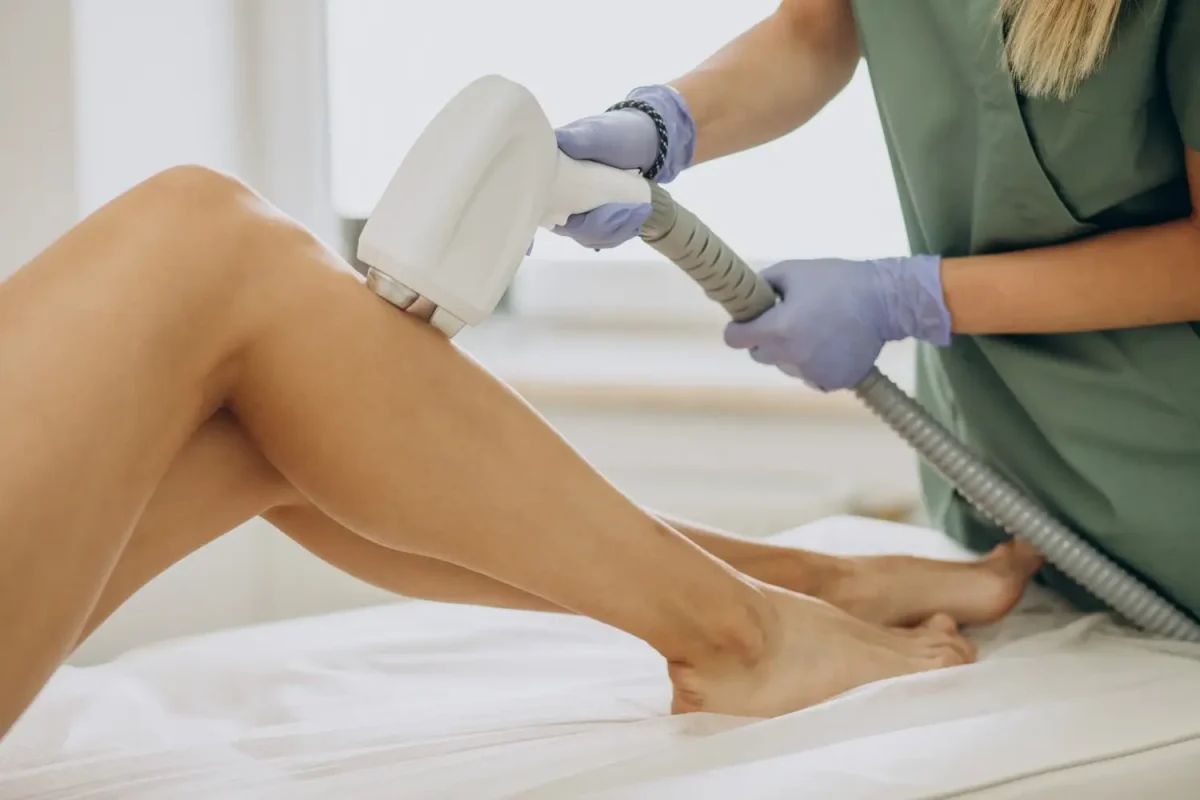
Estimated Read Time: 5 Minutes
Medical Disclaimer: This article is meant for general awareness and is not a substitute for medical advice. Laser suitability, risks, and results vary. Please consult Dr. Sonalini Panche-Mundhekar or another qualified medical professional before starting treatment.
Table of Contents
- Why People Eventually Consider Laser
- Ten Common Myths About Laser Hair Removal
- What the Days After Treatment Feel Like
- Risks That Should Not Be Brushed Aside
- FAQs
Key Takeaways
- Laser reduces hair growth over time. It does not promise that every hair will disappear forever.
- Several sessions are needed because not all hair grows at once.
- Dark, coarse hair usually responds better than very light or fine hair.
- PCOD and other hormonal conditions can affect results.
- Redness and mild discomfort are common. Burns and pigment changes are possible but less common.
- The practitioner’s judgement matters as much as the machine being used.
There is usually a moment when temporary hair removal begins to feel like too much work.
It may be the morning of a wedding when you realise you forgot to wax. Perhaps it is the third time that week you have covered a razor bump with concealer. Or you are already dressed for the beach, but change into something with sleeves because the hair on your arms is bothering you.
None of these moments is dramatic on its own. Together, though, they can become exhausting.
For women with PCOD or hirsutism, the frustration may be sharper. Chin hair can return within days. There may be a pair of tweezers in the handbag, another near the bathroom mirror and a constant urge to check the face under bright light.
Men often describe a different routine. They shave in the morning, feel stubble by evening and then deal with painful bumps along the neck.
This is usually when laser hair reduction enters the conversation. Unfortunately, so do a lot of laser hair removal myths.
Some people are told it will remove every hair forever. Others hear that it is unbearably painful or impossible on darker skin. The truth sits somewhere between the sales pitch and the horror stories.
Here are the laser hair removal facts patients should know before deciding.
Why People Eventually Consider Laser
Waxing gives smooth skin, but the appointment keeps returning. Shaving is faster, although the result may not last beyond a few days. Threading works well for small areas, but repeated facial threading can become another calendar chore.
Laser is different because it targets pigment within the follicle. Over repeated sessions, responsive follicles may produce less hair. What grows back is often finer, slower and less noticeable.
That does not mean everyone becomes completely hair-free. Many patients are simply happy that they no longer need to plan their clothes, holidays or social events around their next waxing appointment.
Ten Common Myths About Laser Hair Removal
Myth 1: Is Laser Hair Removal Permanent?
This is often the first question asked during a consultation.
The honest answer is no, not in the way most people understand the word “permanent.” Laser can provide long-term reduction, but no responsible doctor should promise that every hair will disappear and never return.
Some hair may grow back finer or more slowly. New growth can also appear later, particularly when hormones are involved.
A woman with PCOD, for example, may respond well and still need occasional maintenance because the hormonal trigger has not disappeared.
So, is laser hair removal permanent? It can produce a lasting reduction. It cannot guarantee a lifetime without regrowth.
Myth 2: Everyone Gets the Same Result
A friend may tell you that her leg hair reduced quickly after a few sessions. That does not mean your upper-lip hair will behave the same way.
Dark, coarse hair usually gives the laser a clearer target. Very fine, white, grey, red or pale hair may respond poorly because it contains less pigment.
The area matters too. Underarm hair and facial hair do not always respond at the same pace. Hormones, skin tone and previous hair-removal habits can also affect the plan.
A laser is not a standard package that works identically for everybody.
Myth 3: Does Laser Hair Removal Hurt?
The answer depends partly on where you are being treated.
The legs may feel like quick pinpricks. The upper lip can feel sharper. The bikini area may make you hold your breath for a second.
Most patients describe warmth, snapping or brief stinging. The sensation usually passes almost immediately.
So, does laser hair removal hurt? It can be uncomfortable, especially over sensitive areas, but most people do not describe it as unbearable. Many find it easier than waxing because each pulse is over quickly.
Myth 4: One Appointment Will Do the Job
You may notice some shedding after the first session and assume the treatment is complete. Then more hair appears.
That does not necessarily mean the laser failed.
Hair grows in cycles, and only some follicles are active during a session. The next appointment targets another group. This is why lasers require patience rather than one dramatic before-and-after moment.
Many patients need around six to eight sessions. Some need more, especially for hormonal facial hair.
Myth 5: Laser Is Only for Women
Men do not always come in because they want a completely hairless chest.
Sometimes they are tired of the angry red bumps that appear after shaving. Some want a cleaner beard line. Others struggle with dense back or shoulder hair that is difficult to manage alone.
Laser treatment works on the same principle for men, although coarse and dense growth may require a different treatment plan.
Myth 6: Facial Hair Cannot Be Treated
Facial laser treatment is common. The upper lip, chin, sideburns, cheeks, neck and jawline may all be assessed.
The word “assessed” matters.
Coarse chin hair may be a suitable target. Very fine hair across the cheeks may not be. Treating fine facial hair with the wrong settings can occasionally encourage more growth around the area.
Laser is also not used directly over the eyebrows, eyelids or close to the eyes. Proper eye protection is compulsory.
Myth 7: Darker Skin Cannot Be Treated
Many people with deeper skin tones were once told to avoid lasers altogether. That advice came from the limits of older machines and poorly chosen settings.
Darker skin can often be treated, but it requires the right technology and careful calibration. The laser must distinguish between pigment in the hair and pigment in the surrounding skin.
This leaves less room for careless treatment. Incorrect settings can cause burns, blistering or changes in skin colour.
A consultation and, when advised, a patch test are worth far more than a quick promise made over the phone.
Myth 8: Hair Will Grow Back Thicker
This is among the most persistent laser hair removal myths.
In most successful cases, the opposite happens. Hair becomes finer, grows more slowly or appears less densely.
There is, however, an uncommon possibility of paradoxical hair growth, where hair increases in or around the treated area. This is seen more often with fine facial hair and unsuitable settings.
It should not be confused with shaving. Shaved hair feels coarse because it has been cut bluntly at the skin’s surface, not because the follicle has become thicker.
Myth 9: You See the Final Result Immediately
After a session, you may still see hair on the skin. A few days later, it can even look as though it is growing.
Often, the treated hair is being pushed out of the follicle and will shed gradually.
The real change becomes noticeable over several appointments. You may first realise it while shaving less often or noticing that one patch is growing more slowly than another.
One of the less glamorous laser hair removal facts is that progress is gradual.
Myth 10: Laser Is Completely Safe Wherever You Get It Done
Laser hair reduction is well established, but it is still a procedure involving heat, skin and pigment.
Temporary redness and warmth are common. Burns, blisters, pigment changes, scarring and unexpected hair growth are less common, but possible.
This is why the cheapest package is not automatically the best deal. A machine does not assess your hormones, medication, recent tanning or history of pigmentation. A qualified practitioner does.
What the Days After Treatment Feel Like
Most people leave the clinic and continue with their day.
The skin may look pink or slightly bumpy, almost like mild goosebumps. It may feel warm for a few hours.
You may be asked to avoid intense exercise, hot showers, steam rooms and direct sun for a short period. On facial areas, sunscreen becomes especially important.
Do not wax, thread or epilate between sessions unless your doctor says otherwise. These methods pull the hair from the root, removing the target needed for the next laser session. Shaving is usually acceptable once the skin settles.
Risks That Should Not Be Brushed Aside
Pigment changes deserve particular attention, especially in Indian skin tones. The treated area may become temporarily darker or lighter.
Burns and blistering are uncommon when the correct settings are used, but they can happen. Scarring is rarer still.
Tell the clinic about medicines, active skin problems, recent tanning and previous reactions before treatment. These details are not paperwork. They help determine whether treatment should proceed and how it should be performed.
At Dr. Sonalini’s Myra Aesthetic Clinic in Panaji, laser hair reduction is offered under medical supervision.
Dr. Sonalini Panche-Mundhekar holds an M.Ch in Plastic Surgery and a Fellowship in Aesthetic Plastic Surgery, with international clinical training through NHS trusts in the United Kingdom.
A consultation is not simply about selling a six-session package. It is where your skin, hair pattern, medical history and expectations should be discussed honestly.
FAQs
-
Is Laser Hair Removal Permanent?
It offers long-term hair reduction, but complete permanent removal cannot be guaranteed. Hormonal changes may also cause new hair to appear later.
-
Does Laser Hair Removal Hurt?
Most patients feel brief heat, snapping or stinging. Sensitive areas may feel sharper, but the discomfort usually passes quickly.
-
Can Laser Help With PCOD-Related Facial Hair?
It can reduce coarse existing hair, but it does not treat PCOD itself. More sessions and occasional maintenance may be required.
-
How Many Sessions Are Usually Needed?
Many people need six to eight sessions. Hair type, skin tone, body area and hormonal activity can change that number.
-
Can I Wax Between Sessions?
Usually not. Waxing removes the hair root that the laser needs to target. Shaving is generally allowed after the skin has settled.
Good treatment begins with realistic expectations. Ignore both extremes: laser is neither a miracle that removes every hair forever nor a treatment that everyone should fear. The useful laser hair removal facts are found in the middle, during an honest medical consultation.
